Mecasermin
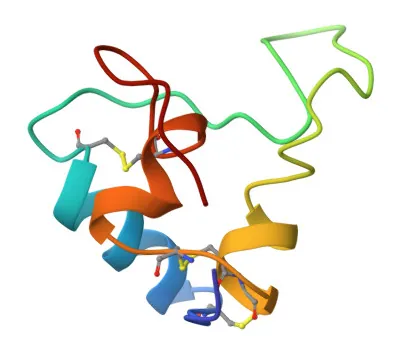
Approved for a growth disorderHeight measured in peopleBy injectionProtein or enzymeAlso Increlex
Manufactured IGF-1, for the few children in whom growth hormone itself cannot work.
Recombinant human IGF-1, given by subcutaneous injection. Approved for a narrow group: children aged 2 and over with severe primary IGF-1 deficiency, or with a GH gene deletion who have developed neutralising antibodies against GH. In both groups growth hormone cannot work, so more GH does nothing and IGF-1 has to be supplied directly; Laron syndrome is the classic example. The label defines that deficiency by a low IGF-1 level, which is why its use in the other conditions this library covers — STAT5B deficiency, PAPP-A2 deficiency, Donohue syndrome — is off-label, and in PAPP-A2 deficiency the measured level is high rather than low.
Risks. Low blood sugar is the commonest danger because the growth factor looks like insulin, with four in ten children having at least one episode and a few having seizures, so it has to be taken with food. Its label also warns of cancers reported in children on it, and of severe allergic reactions, raised pressure in the skull and a slipping hip growth plate.
On this page
- At the growth plate, members only
- Risks and side effects, members only
The rest of this page is for members
What has been measured, in whom, with every source, and what it does to the rest of you. And every article in the library.
Join for $11.99Lifetime · 3 of 10 founding spots left
Tax is added at checkout (VAT/GST where it applies).
Renews every month at the current price plus tax until you cancel. Cancel from your account before the next monthly charge to stop it.
Card purchases are sold and charged by Link (Stripe) under Link's terms and refund policy.
Already a member? Sign in
Educational content, not medical advice. Nothing here is a recommendation to take or stop taking anything — talk to a doctor about your own situation.